
Search North Carolina Property Records
North Carolina property records are held by the Register of Deeds in each of the state's 100 counties. These records show who owns land and how it has changed hands over time. You can search North Carolina property records online through county websites, in person at a local office, or by mail. Each county stores deeds, mortgages, liens, plats, and other real estate documents going back to when the county was first formed. Some North Carolina counties have property records from the early 1700s. The North Carolina Association of Registers of Deeds provides a directory of all county offices to help you start your search.
North Carolina Property Records Quick Facts
Where to Find North Carolina Property Records
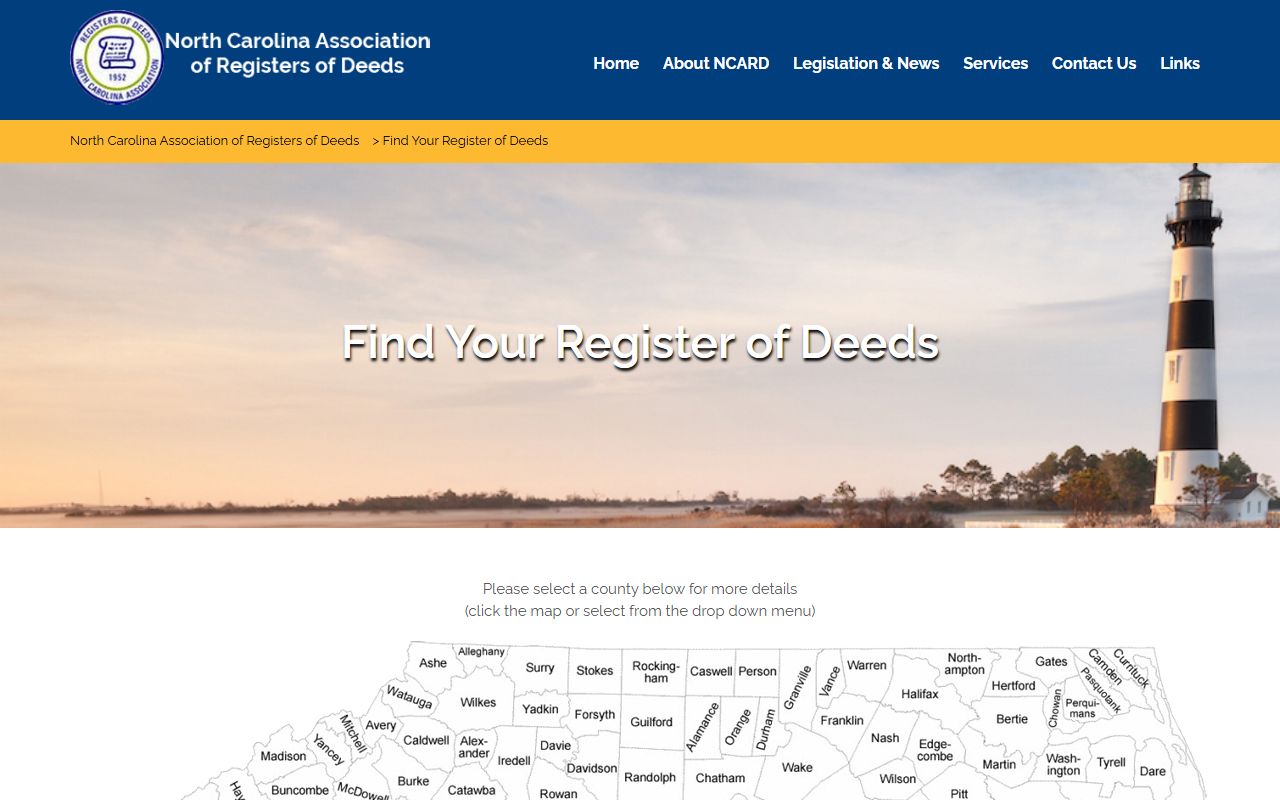
The Register of Deeds in each North Carolina county is the official keeper of property records. This elected official files and stores deeds, mortgages, liens, and other land documents. Under Chapter 161 of the General Statutes, the Register of Deeds must record all qualifying documents in the order they are received. You can use the NCARD directory to find contact details, office hours, and website links for any county in North Carolina.
The NCARD statewide directory lists all 100 county Registers of Deeds with complete contact information and service details for each office.
Most county offices are open Monday through Friday from 8:00 AM to 5:00 PM. Recording hours often end at 4:30 PM. Walk-in visitors can search property records at public terminals in the office for free. Staff can help you find documents and make copies. Call ahead to check what you need to bring when you visit.
Each county keeps its own set of property records. Records are not shared between counties. If the land is in Wake County, you search at the Wake County Register of Deeds. If it is in Mecklenburg County, you go to that office instead. Always confirm which county holds the records you need before you visit.
North Carolina Property Records Online
Many North Carolina counties provide free online access to property record indexes. You can search from home at any time of day. The search systems vary by county, but most let you look up records by owner name, book and page, or instrument number. Some systems also show scanned document images you can view or print without visiting the office.
Wake County uses the BooksWeb system for online deed searches. It provides 24/7 access to real estate records, vital records, and other recorded documents. Users can search by grantor or grantee name, instrument number, book and page, date range, or legal description. Mecklenburg County offers the POLIS system for property lookups. Guilford, Forsyth, Durham, and many other counties have their own search portals. Online records typically cover documents from the 1970s or 1980s forward. Older North Carolina property records may require an in-person visit.
County GIS mapping systems add another way to research property in North Carolina. These tools show parcel boundaries, ownership data, and tax information on interactive maps. Wake County iMaps is one of the most advanced GIS tools in the state and includes multiple years of aerial photography. Many counties offer similar mapping tools that link directly to property records and assessment data.
Types of Property Records in North Carolina
North Carolina property records include many types of documents. Each one serves a different role in land ownership and real estate transactions. The North Carolina Secretary of State handles some filings at the state level, but most property records are filed at the county Register of Deeds office.
The most common types of property records found in North Carolina counties include:
- Deeds that transfer land from one owner to another
- Deeds of trust and mortgages that secure loans against real property
- Liens placed on property for unpaid debts or taxes
- Subdivision plats that divide land into lots
- Powers of attorney for real estate transactions
- Military discharge records filed for safekeeping at no cost
The UCC filing search through the Secretary of State covers fixture filings and other commercial interests that may affect property in North Carolina. These filings are separate from the deed records at each county Register of Deeds office.
Deeds are the core of North Carolina property records. A deed shows who sold the land and who bought it. It includes a legal description of the property and is signed by the grantor. Recording a deed at the Register of Deeds office gives public notice of the transfer and protects the new owner's claim.
North Carolina Property Recording Statutes
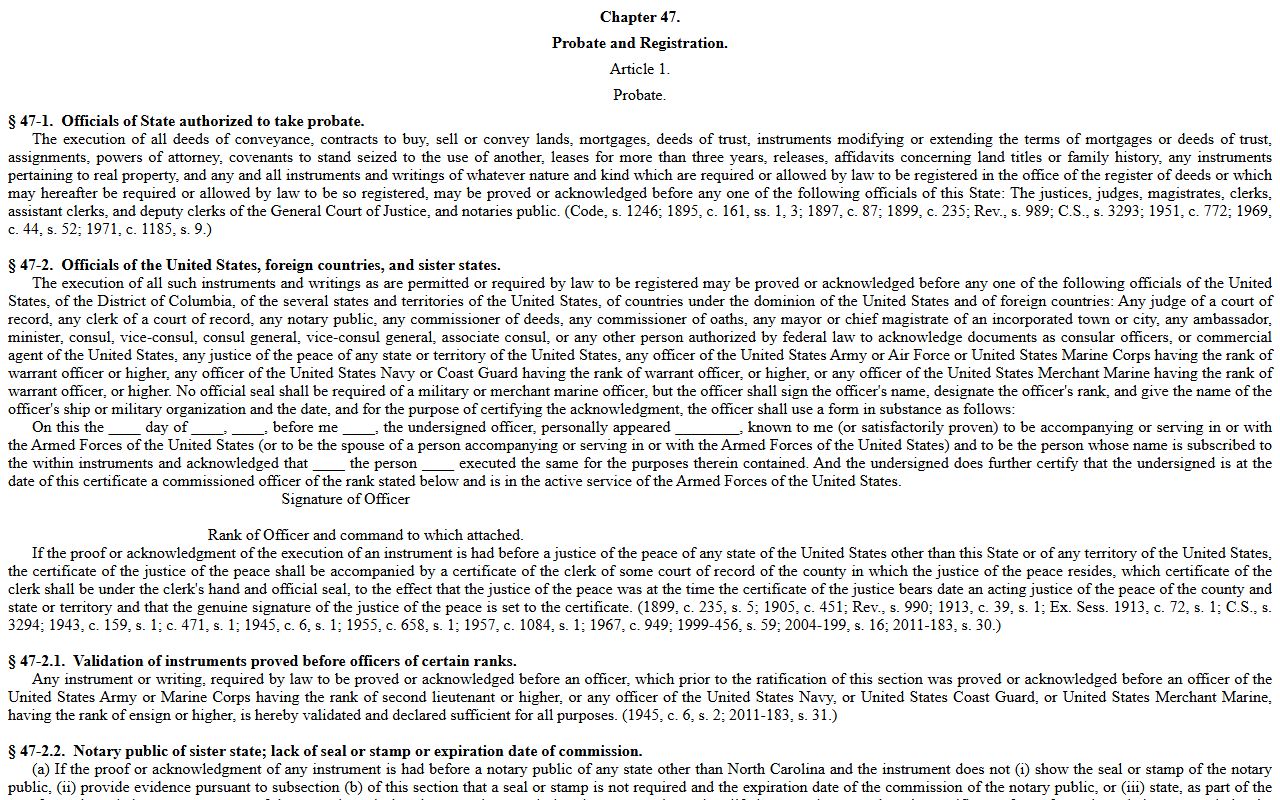
North Carolina law governs how property records are filed and maintained across all 100 counties. Chapter 47 of the General Statutes sets the rules for recording instruments that affect real property. This chapter covers deeds, mortgages, leases, and other documents. It requires that documents be properly executed and acknowledged before a notary to be valid for recording in North Carolina.
North Carolina uses a race-notice recording system under Chapter 47. This means the first person to record a deed has priority, as long as they had no notice of a prior unrecorded claim. Recording your deed promptly at the county Register of Deeds is important. It gives public notice of the transfer and protects your ownership interest in the property. Unrecorded deeds are still valid between the parties but may not hold up against a later buyer who records first and had no knowledge of the earlier sale.
The North Carolina Marketable Title Act under Chapter 47B helps clear old claims from a chain of title. Under this law, interests that were not filed or re-filed within the past 30 years may be extinguished. This makes it easier to establish clear ownership of property in North Carolina.
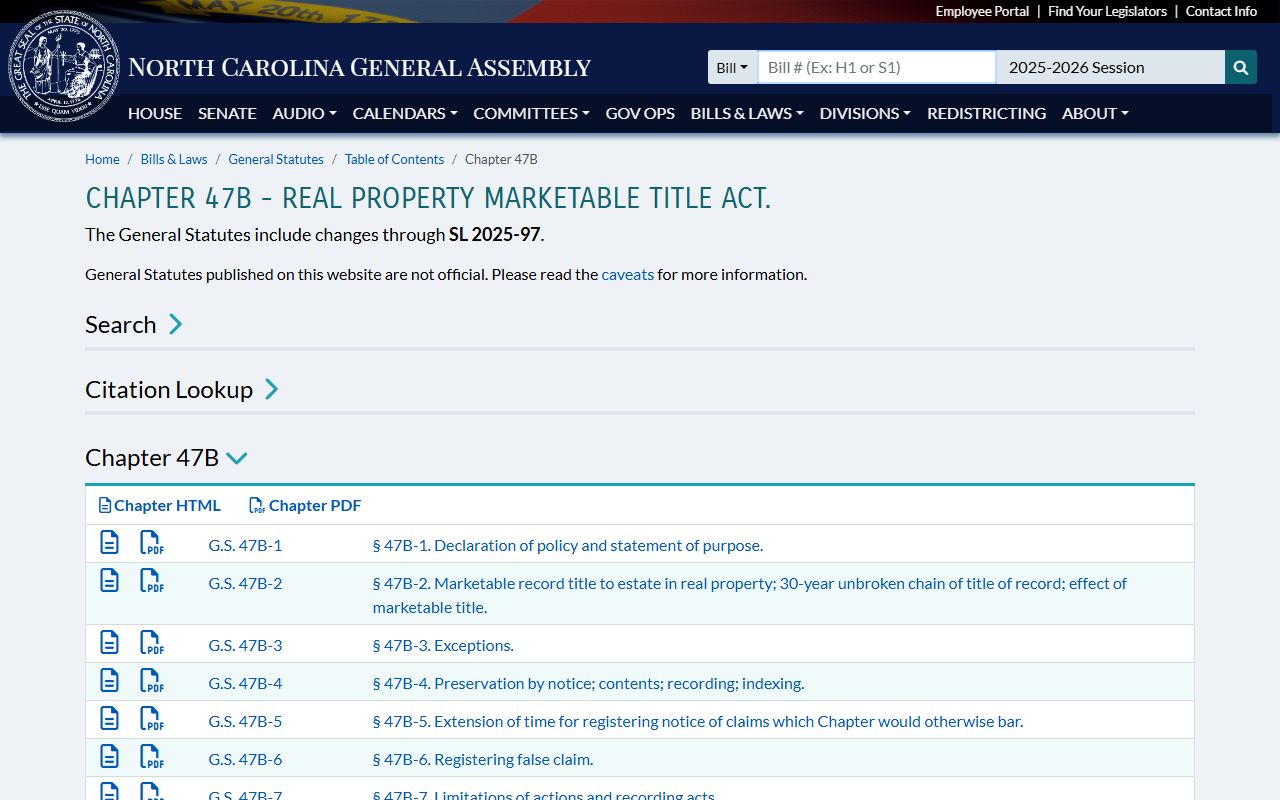
Note: The Marketable Title Act does not affect all types of interests, so consult a real estate attorney for specific questions about title in North Carolina.
Property Record Fees in North Carolina
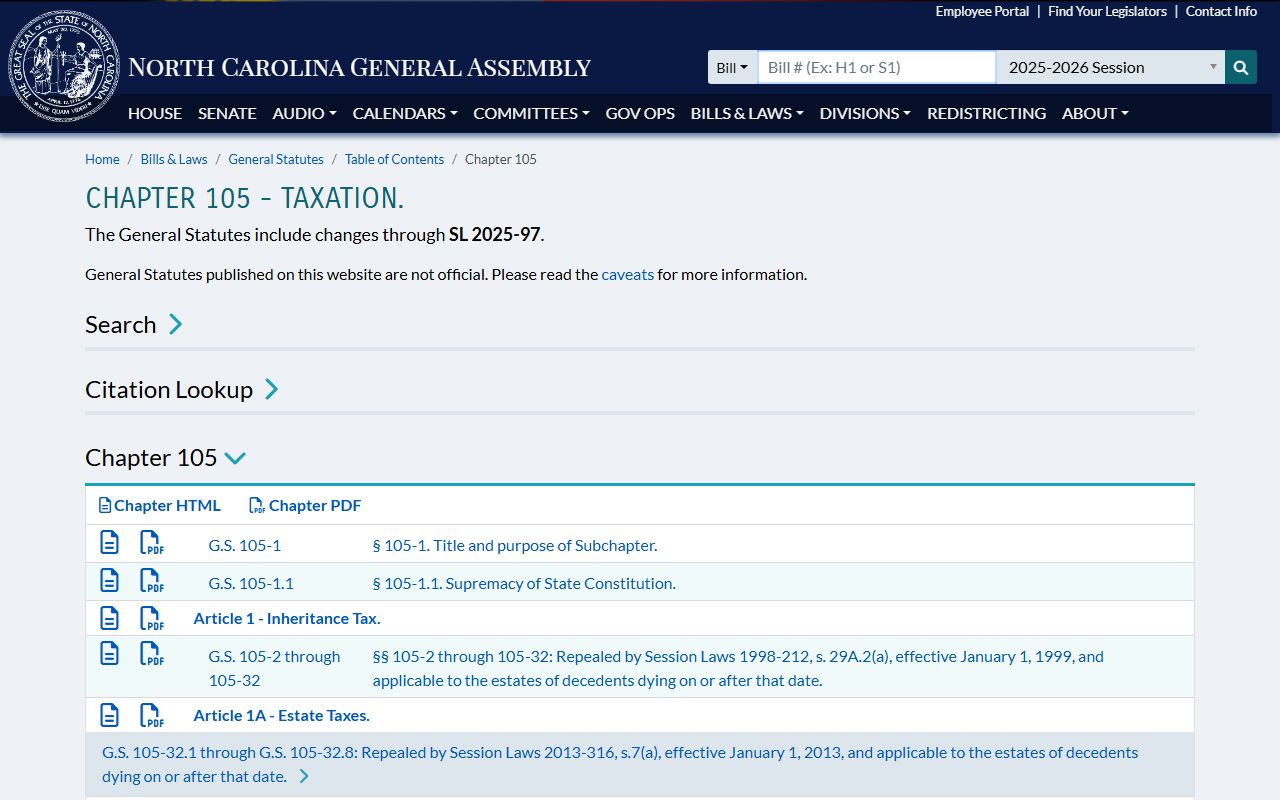
Fees for property records in North Carolina are set by state law. The excise tax on property transfers is $1.00 for every $500 of the sale price under Chapter 105 of the General Statutes. The Register of Deeds collects this tax at the time of recording. Recording fees vary by document type and page count. Standard fees include a base charge plus a per-page amount for longer documents.
Certified copies of recorded property documents cost $5.00 for the first page and $2.00 for each extra page in most North Carolina counties. Plain uncertified copies cost $0.25 per page at many offices. Some counties offer free online searches of property record indexes. Viewing document images online may or may not have a fee depending on the county.
In-person searches at the Register of Deeds office are free at public terminals. You only pay when you need copies.
Historical North Carolina Property Records
Some North Carolina property records date back hundreds of years. The State Archives of North Carolina holds historical land records including colonial land grants and early deeds. These records are valuable for title research, boundary disputes, and genealogy work. Land grants from the colonial and state periods are available through the North Carolina Historical Records Online database maintained by the State Archives.
Counties formed in the 1700s often have the oldest property records in the state. Bertie County has land records from 1721. Beaufort County keeps real estate records from 1712. Wake County holds property records going back to 1771. Many of these old records have been digitized and made available through online databases or at the State Archives in Raleigh for anyone to research.
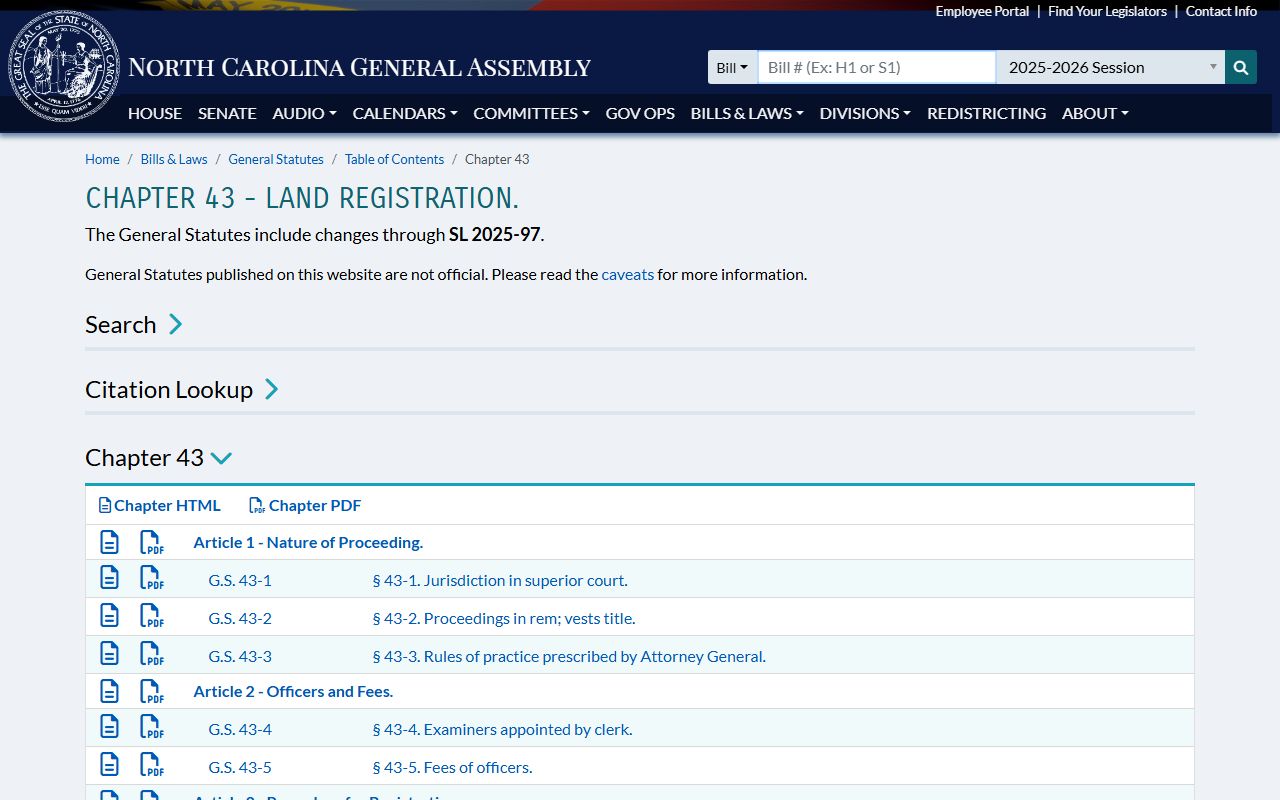
The Torrens Act under Chapter 43 created a registered land system in North Carolina. This alternate system provides state-backed title certificates for registered parcels. While most property in North Carolina uses the standard deed recording system through the Register of Deeds, a small number of parcels remain in the registered land program.
How to Get Copies of Property Records
You can get copies of property records several ways in North Carolina. The most direct method is to visit the Register of Deeds office in the county where the property is located. Bring the owner name, book and page number, or instrument number to speed up your search. Staff can pull records and make copies while you wait.
Mail requests are accepted at most Register of Deeds offices across North Carolina. Include the details of the document you need, your return address, and payment by check or money order. Some counties also accept phone or email requests for copies. Online ordering is available in select counties. Electronic recording through authorized vendors allows attorneys and title companies to submit and receive documents without visiting the office. Check with your county Register of Deeds for their specific process and current fees.
Browse North Carolina Property Records by County
Each county in North Carolina has its own Register of Deeds that keeps property records. Pick a county below to find local office details, online search tools, and resources for property records in that area.
Property Records in Major North Carolina Cities
Residents of major cities file property documents at their county Register of Deeds office. Pick a city below to learn about property records in that area.