
Durham County Real Property Records
Durham County property records cover deeds, liens, plats, and other land documents filed with the Register of Deeds in Durham, North Carolina. The county was formed in 1881 from parts of Orange and Wake counties. Its records span well over a century of real estate transactions. Durham County offers both in-person and online access to property records. The Register of Deeds office and the county GIS system provide tools for searching ownership data, viewing maps, and reviewing recorded documents. These resources serve homeowners, buyers, title searchers, and the general public.
Durham County Quick Facts
Durham County Register of Deeds
The Durham County Register of Deeds office is at 200 E. Main St, Durham, NC 27701. The phone number is 919-560-0480. Office hours are Monday through Friday, 8 AM to 5 PM. Recording closes at 4:30 PM each day. Staff at this office record and index deeds, deeds of trust, plat maps, liens, and other real estate instruments.
Durham County provides online access to recorded documents. You can search by owner name, book and page, or instrument type. The online system covers a broad range of recorded instruments. This makes it easy to check deed history or verify ownership from home. For certified copies, you will need to contact the office or visit in person.
Durham County was carved from Orange and Wake counties in 1881. The city of Durham serves as both the county seat and its largest city. The county has grown steadily over the decades. Today it is one of the most active real estate markets in the state. That means a high volume of documents get recorded at the Register of Deeds office each year.
Note: Recording stops at 4:30 PM even though the office stays open until 5 PM. Plan your visit so you arrive in time to complete your filing.
Durham County GIS and Parcel Maps
Durham County runs a GIS system that offers interactive maps and property data. The Durham County GIS portal lets you search by address, owner name, or parcel number. Results show lot lines, zoning, assessed values, and deed references. This tool is free and open to the public.
The GIS system is useful for several tasks. Buyers can view lot boundaries before making an offer. Contractors can check zoning and setback lines. Title searchers use the parcel data to confirm legal descriptions. The interactive map shows aerial photos layered with property lines, streets, and other features. You can zoom in to see details for any parcel in Durham County.
The Durham County GIS portal is shown below.
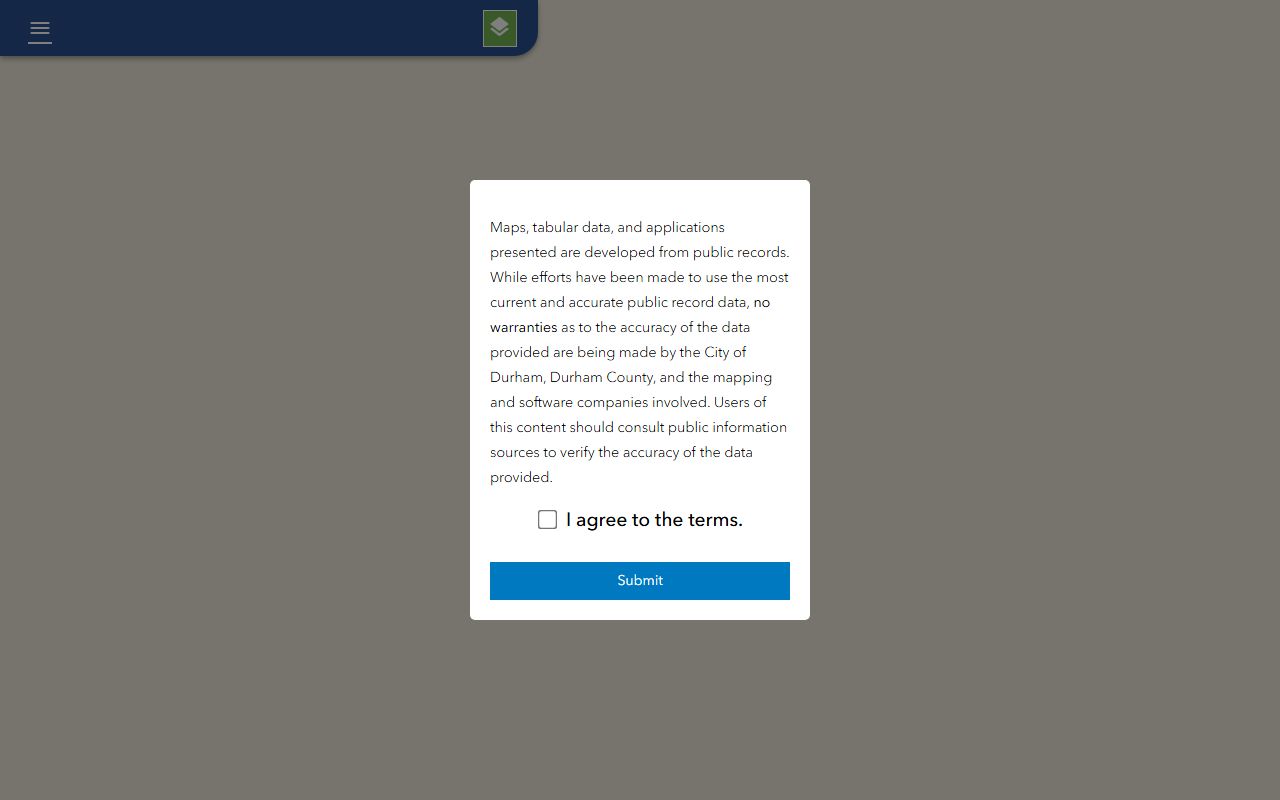
This GIS tool provides maps and parcel data for every property in Durham County.
Searching Durham County Deed Records
You can search Durham County deed records online or in person at the Register of Deeds office. The online system covers recorded instruments and lets you search by name, date, or document type. Results show the recording date, book and page, and instrument type.
When searching in person, bring as much detail as you can. An owner name, address, or parcel number will speed up the process. The office has index books that list every grantor and grantee in Durham County. These books are organized by year and name. Staff can help you navigate them if you are new to records research.
Keep these tips in mind when searching:
- Try alternate spellings of the owner name
- Use book and page numbers from a prior deed to trace the chain
- Check both the grantor and grantee indexes for a full picture
- Ask staff about records that may not be in the online system yet
The NC Association of Register of Deeds website also links to Durham County and other offices statewide. This can be a helpful starting point if you need records from more than one county.
Durham County Tax Assessment Records
The Durham County Tax Administration office handles property assessments and tax collections. This office maintains records of assessed values, tax rates, and payment status for every parcel in the county. Durham County reappraises property every eight years, as allowed under N.C.G.S. Chapter 105.
Tax records show the market value the county has placed on a property. They also show the tax rate and the amount due each year. You can search these records online by owner name, address, or parcel ID. Buyers often review tax records before a purchase. This helps them know what to expect for annual tax bills. It also reveals any unpaid taxes that could result in a lien.
During a revaluation, county appraisers review recent sales data and property conditions. They set new values that reflect current market trends. Owners who disagree with their new value can file an appeal. The appeal goes to the Durham County Board of Equalization and Review.
Recording Property Documents in Durham
To record a deed or other document in Durham County, the instrument must meet the standards set by N.C.G.S. Chapter 47. Documents must be signed by the grantor and properly notarized. A return address must appear on the first page. The name of the grantor must match the name on the prior recorded deed.
Durham County collects an excise tax on real estate transfers at the state rate of one dollar per five hundred dollars of sale price. This tax is paid at the time of recording. Recording fees also apply. These fees cover indexing and storage of the document in the county's records system. N.C.G.S. Chapter 161 sets the fee schedule for Register of Deeds offices throughout the state.
You can review the recording statutes through the North Carolina General Statutes portal below.
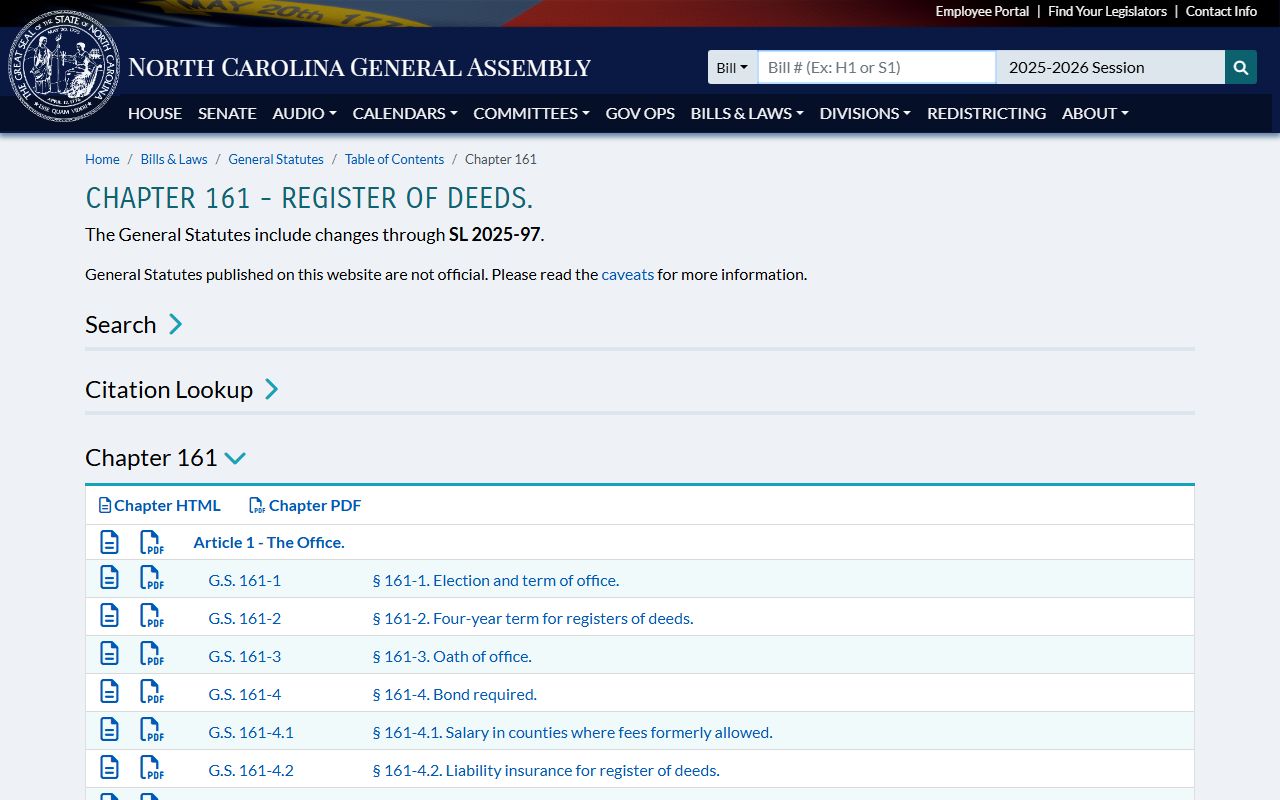
These statutes govern how documents are recorded in Durham County and all other North Carolina counties.
Note: Electronic recording is available in Durham County for certain document types, as permitted by N.C.G.S. Chapter 47B.
Durham County Title Searches
Title research in Durham County follows the same process used across North Carolina. A searcher traces the chain of ownership from the current owner backward through each prior transfer. The goal is to confirm clear title and identify any liens, easements, or encumbrances on the property.
The Marketable Title Act helps simplify searches. A chain of title going back at least 30 years is generally enough. Claims that are older and have not been re-recorded may be cut off. This gives buyers and lenders confidence that the recorded chain reflects the true state of ownership.
Durham County's strong real estate market means that many parcels have recent and well-documented chains of title. Older properties may require more digging. The North Carolina State Archives hold early records that can fill gaps in the chain. The Secretary of State also maintains UCC filings and business records that may affect property ownership in Durham County.