
Chatham County Property Records
Chatham County property records are maintained by the Register of Deeds in Pittsboro. The county sits in the central Piedmont, southwest of Raleigh, and has seen strong growth in recent years with new developments like Chatham Park. Property records cover deeds, plat maps, liens, deeds of trust, and other recorded documents. These records help buyers verify ownership, check for outstanding claims, and trace the full history of a parcel. You can visit the Register of Deeds office in person or use statewide tools to begin your property search in Chatham County.
Chatham County Quick Facts
Chatham County Register of Deeds
The Register of Deeds in Chatham County records and indexes all land documents. The office is in Pittsboro, the county seat. Staff process new recordings, maintain public indexes, and issue copies of recorded instruments.
Chatham County was formed in 1771 from Orange County. It has over 250 years of recorded land history. The office handles deeds, deeds of trust, plat maps, liens, easements, and other instruments. You can search by grantor, grantee, recording date, or document type. The office also processes vital records and may offer other services. Contact the office through the NC Association of Registers of Deeds directory to get current hours and phone numbers before your visit.
The NC Secretary of State website can also help with business-related filings that affect property in the county.
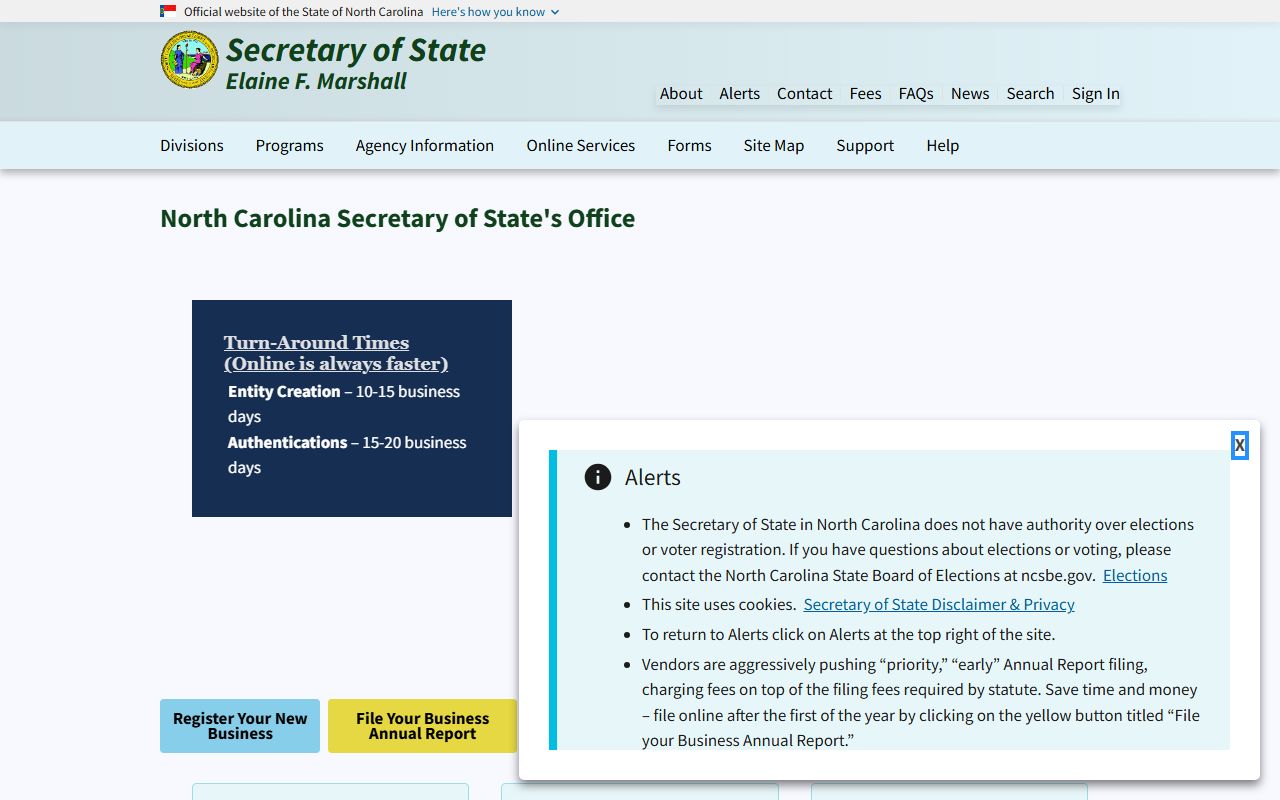
UCC filings and business entity records at the Secretary of State may appear in title searches for Chatham County properties.
Chatham County Growth and Records
Chatham County is one of the fastest growing counties in North Carolina. New subdivisions, commercial projects, and mixed-use developments are creating a large volume of new property records.
Each new subdivision starts with a plat map that is recorded with the Register of Deeds. The plat divides the land into individual lots and dedicates roads and common areas. Restrictive covenants are also recorded to set rules for the development. As lots are sold, individual deeds transfer ownership to the buyers. Deeds of trust secure mortgage loans. All of these documents become part of the permanent record for each parcel. The rapid growth means the Register of Deeds office handles a high volume of recordings compared to previous decades. Buyers in new developments should review both the deed and the recorded covenants to understand what rules apply to their lot.
Jordan Lake borders Chatham County to the east. Properties near the lake may have additional restrictions related to water quality and watershed protection. These restrictions can appear in the recorded covenants or in county zoning records.
Chatham County Tax Records
The Tax Office in Chatham County assesses all real property and maintains records of values and payments. Tax records are public and searchable by name, address, or parcel number.
The county reappraises property on the schedule set by N.C.G.S. Chapter 105. Each parcel gets an assessed value based on market conditions. The assessed value times the tax rate produces the annual bill. Chatham County has a mix of high-value new homes and older rural parcels, so values span a wide range. Farmland and timberland may qualify for present-use value assessment, which reduces the tax burden for working land. If you disagree with your assessment, file an appeal with the Board of Equalization and Review within the deadline.
Note: Tax records also show special assessments for water, sewer, or improvement districts that may apply to your parcel.
Recording Property Documents in Chatham
Documents filed with the Chatham County Register of Deeds must meet the standards of N.C.G.S. Chapter 47. This chapter covers format, content, and notarization requirements.
Every deed must name the grantor and grantee, include a legal description, state the consideration, and bear the notarized signature of the grantor. The excise tax of $1 per $500 of the sale price is collected at recording for most transfers. Recording fees are set by N.C.G.S. Chapter 161. Certified copies cost $5 for the first page and $2 per additional page. The Register of Deeds assigns a book and page number to each document. This number serves as the permanent reference for finding the document in the public records.
- Notarized signatures on all deeds
- Legal description matching the parcel
- Excise tax or exemption statement
- Return address for the recorded document
- Compliance with Chapter 47 format rules
Historical Property Records in Chatham
Chatham County's land records reach back to 1771. Early records include colonial-era grants and transfers that predate American independence.
The North Carolina State Archives holds early Chatham County records including court files, estate papers, and land grants. These complement the county's own collection. For researchers tracing land back to the original grants, the archives are essential. The state archives website lets you search their catalog before visiting in person. Chapter 43 of the General Statutes covers the Torrens system, an alternative form of land registration that some older parcels may use. Chapter 47B addresses the newer option of electronic recording.
The North Carolina General Statutes website has the full text of all recording laws.
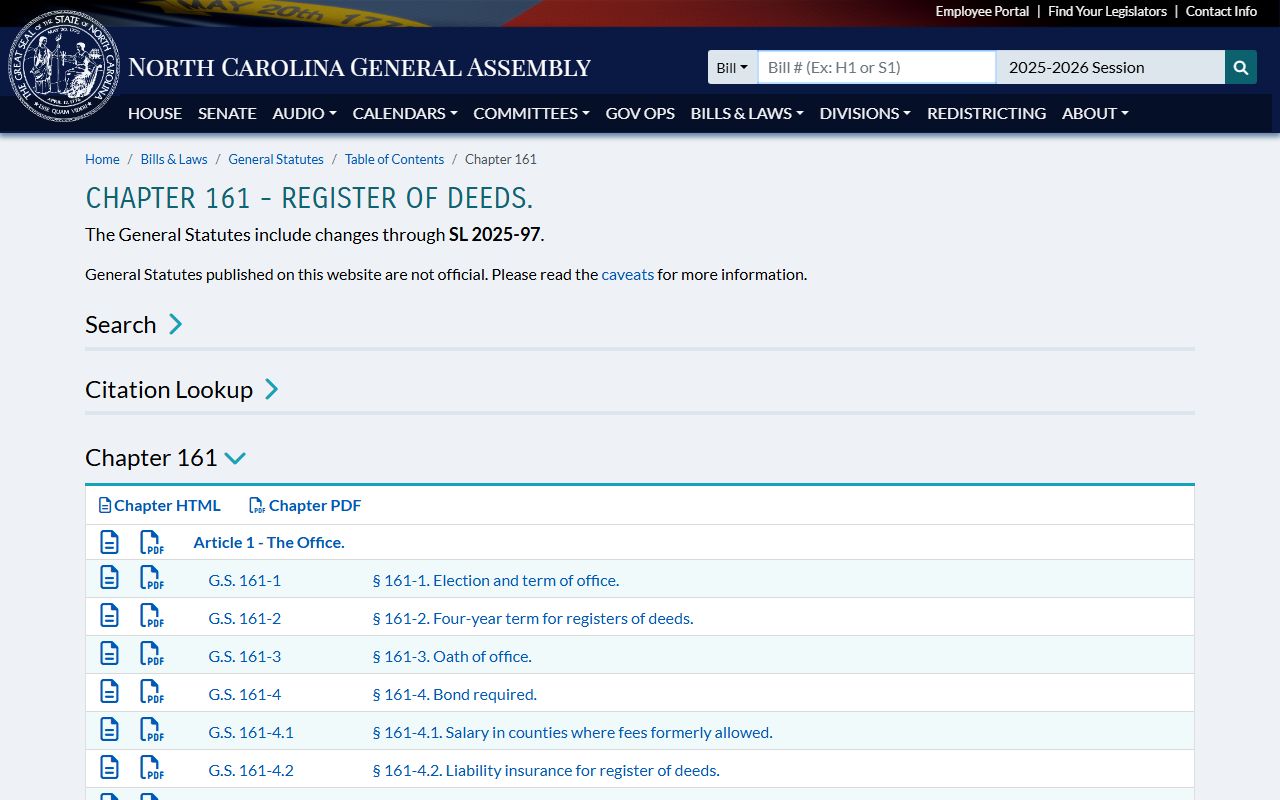
These laws are updated by the legislature and apply to every county in the state.
North Carolina uses a race-notice recording system. The first buyer to record a deed, without knowledge of an earlier unrecorded transfer, takes priority. This makes prompt recording essential after any sale. Title insurance is standard in most Chatham County closings. It protects the buyer against defects that the title search did not uncover. With the county's rapid development and rising property values, title insurance has become more important than ever for buyers in Chatham County.
Nearby Counties
These counties share a border with Chatham County. Confirm which county a property falls in before requesting records, especially near the Wake and Durham county lines.