
Lee County NC Property Records
Lee County property records are maintained by the Register of Deeds in Sanford, North Carolina. The county was formed in 1907 from parts of Chatham and Moore Counties. Property records here cover deeds, liens, plat maps, and other land documents. Sanford serves as the county seat and is where the main government offices are located. Residents, buyers, and title professionals use these records to verify ownership, check for liens, and trace the history of real property in Lee County.
Lee County Quick Facts
Lee County Register of Deeds
The Register of Deeds in Lee County is the official keeper of all recorded land documents. The office sits at the Lee County Government Center in Sanford. Staff record and index deeds, deeds of trust, plat maps, liens, and other instruments. They also handle birth, death, and marriage records.
Lee County is one of the younger counties in North Carolina. It was created in 1907 to serve residents who lived far from the courthouses in Chatham and Moore Counties. Property records from before 1907 are held in those parent counties. After 1907, all land transactions within the new boundaries were filed in Lee County. The office indexes every document by grantor, grantee, and recording date. You can visit during business hours to search records or request certified copies. Certified copies cost five dollars for the first page and two dollars for each page after that.
The NC General Assembly publishes the state laws that govern this office under N.C.G.S. Chapter 161. These rules apply to every Register of Deeds in the state, including Lee County.
Searching Lee County Property Records
To find property records in Lee County, you can search by owner name, parcel number, or book and page reference. The grantor index lists sellers. The grantee index lists buyers. Cross-referencing both indexes builds a complete ownership history for any parcel.
The NC Association of Register of Deeds can help you find the Lee County office and any other county office in the state. For records that predate 1907, you will need to check Chatham County or Moore County records depending on where the property was located at the time of the transaction. The Lee County staff can often tell you which parent county holds the older records for a given area.
The North Carolina State Archives website shown below may also help with historical research in Lee County.
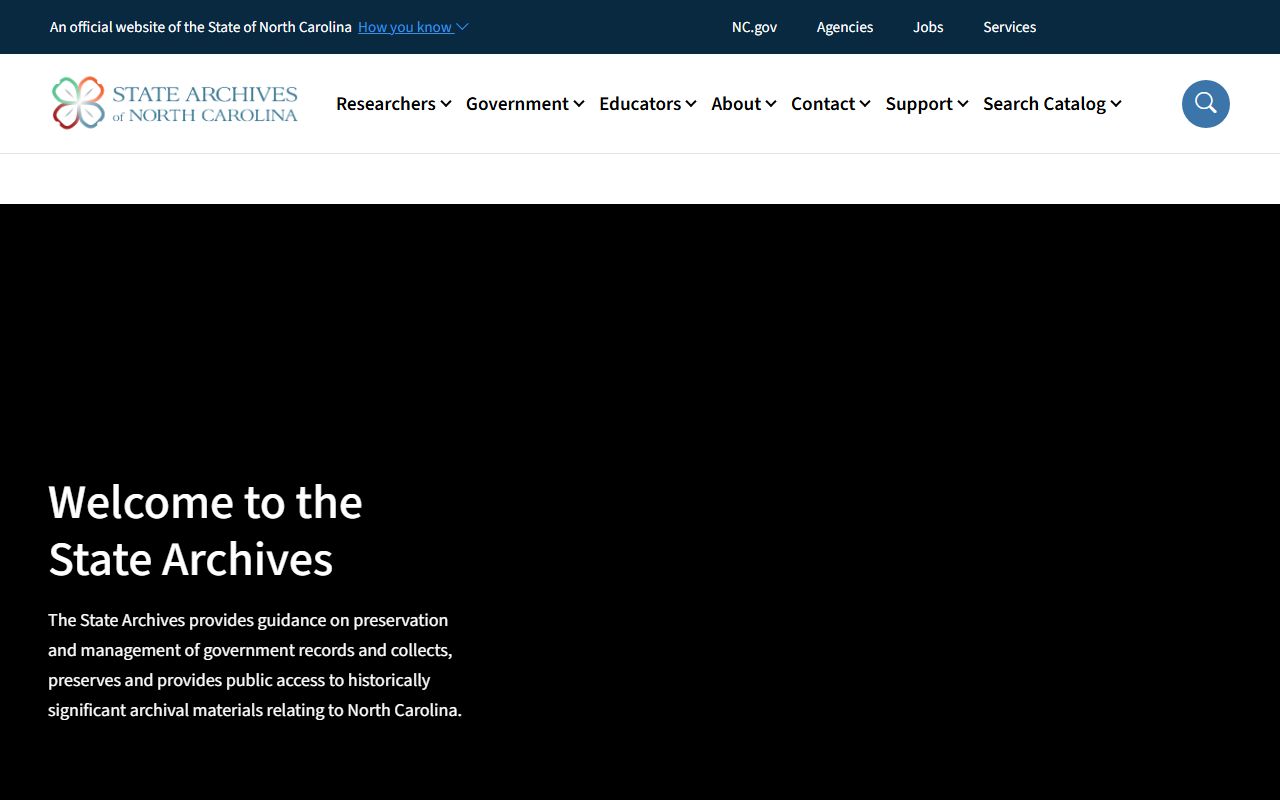
The State Archives holds early land grants, court records, and other documents that can fill gaps in the Lee County chain of title.
Lee County Tax Records
The Lee County Tax Office handles property assessments and tax collection for all real property in the county. Tax records show the assessed value, current tax rate, and payment status for each parcel. You can search by owner name, property address, or parcel ID number.
North Carolina counties must revalue all real property at least once every eight years under N.C.G.S. Chapter 105. Lee County follows this cycle. Revaluations bring assessed values in line with current market conditions. After a revaluation, property owners receive a notice with their new value. They can appeal if they disagree. Tax records are useful for buyers who want to know the yearly cost of owning a particular parcel. They also reveal unpaid taxes or liens that could affect a sale.
Deed Types in Lee County Records
Lee County property records include several types of deeds. Each serves a different role in transferring ownership or securing a loan.
A general warranty deed gives the buyer the strongest protection. The seller guarantees clear title through the entire chain of ownership. A special warranty deed only covers the time the seller owned the land. Quitclaim deeds pass along whatever interest the grantor holds without any warranty at all. These are common in family transactions and estate settlements in Lee County. Deeds of trust are recorded when a buyer takes out a loan to purchase property. The trustee can sell the property if the borrower defaults.
All instruments filed in Lee County must meet the recording standards of N.C.G.S. Chapter 47. Documents need proper signatures, notarization, and a return address. The excise tax on property sales is one dollar per five hundred dollars of the sale price. This tax is paid at the time of recording.
Lee County Title Research
Title research in Lee County traces ownership back through the chain of deeds. A searcher starts with the current owner and works backward. Each deed in the chain names the prior owner. The search also looks for liens, easements, and other encumbrances.
The Marketable Title Act helps simplify searches. Under this law, a chain going back 30 years is usually enough. Older claims not re-recorded may be extinguished. This protects buyers and lenders in Lee County. Because the county was formed in 1907, some title chains cross into Chatham or Moore County records for older parcels. A thorough search accounts for this by checking all relevant offices.
The North Carolina Secretary of State maintains business filings and UCC records that may affect real property in Lee County. These filings can show up during a title search when property is held by a business entity.
Recording Documents in Lee County
To record a document with the Lee County Register of Deeds, bring the original signed and notarized document to the office in Sanford. The grantor's name must match the name on the prior recorded deed. Include a return address on the first page.
Recording fees and the excise tax are due at the time of filing. The Uniform Real Property Electronic Recording Act allows for electronic submissions in some cases. Check with the Lee County office to see which documents can be filed electronically. Staff at the office can answer questions about formatting and fees before you submit your document.
Nearby Counties
These counties border Lee County. Properties near the county line may have records in a neighboring county, so verify the location before searching.