
Burke County Property Records Search
Burke County property records are kept by the Register of Deeds in Morganton. This western North Carolina county sits in the foothills of the Blue Ridge Mountains and has a rich land history. The Register of Deeds office files and stores deeds, deeds of trust, plat maps, and liens for all real property in Burke County. You can visit the office to search records in person or use state resources to find recorded documents. These records help verify ownership, check liens, and trace the history of any parcel.
Burke County Quick Facts
Burke County Register of Deeds
The Burke County Register of Deeds records all land documents for the county. This office is in Morganton, the county seat. Staff record new deeds, index them for public search, and issue certified copies. The office follows the rules set by N.C.G.S. Chapter 161, which defines the duties of every Register of Deeds in the state.
When you visit the office, you can search records by grantor name, grantee name, or book and page number. The staff can help you locate older records if you have trouble finding what you need. Bring any details you have about the property, such as the address, owner name, or parcel number. Burke County was formed in 1777 from Rowan County, making it one of the older counties in western North Carolina. Records from the early years may be stored in different formats than modern filings.
You can find your local Register of Deeds through the NC Association of Registers of Deeds directory.
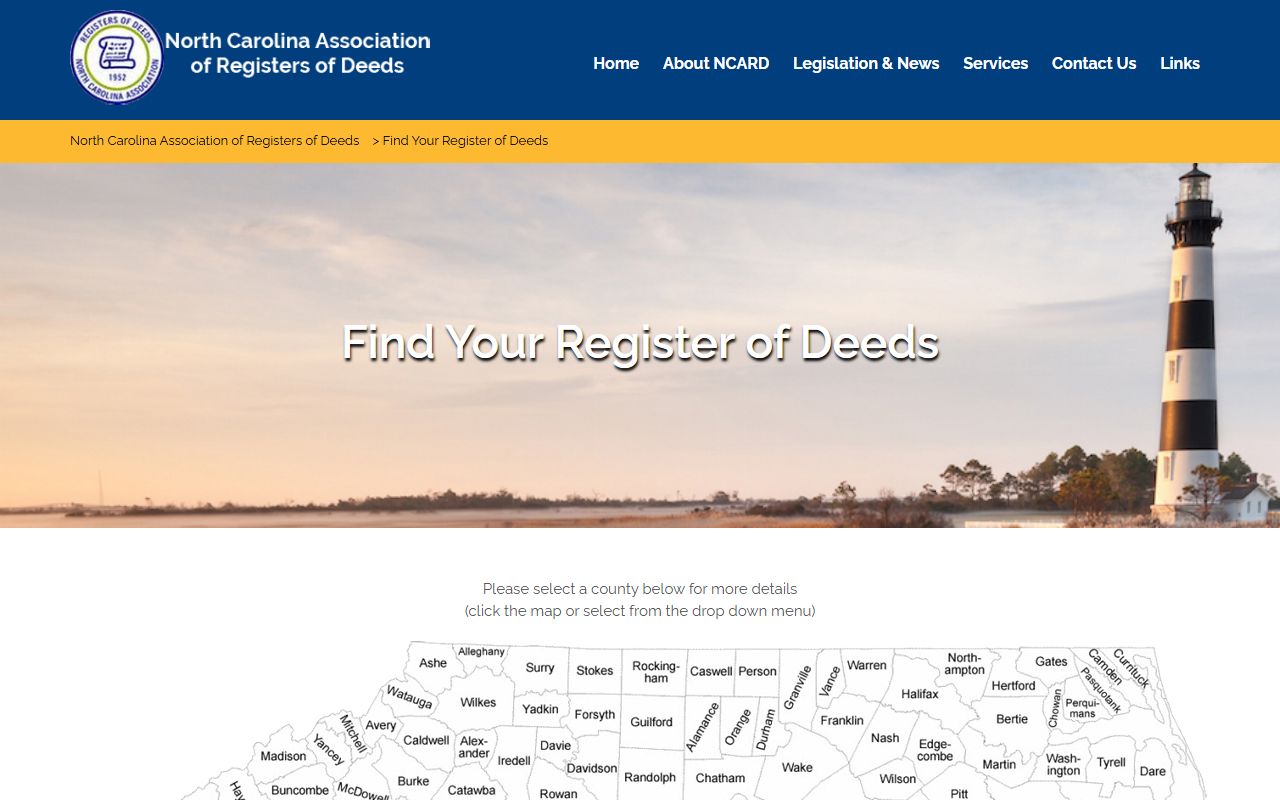
This statewide directory lists contact details and office hours for every county in North Carolina.
How to Search Burke County Records
There are a few ways to search property records in Burke County. Each method works best for different needs.
An in-person visit to the Register of Deeds lets you view original documents and get certified copies on the spot. This is the best option when you need a stamped copy for a legal matter. The staff can pull records quickly if you have the book and page number. Without that, a name search takes a bit more time but still works well.
North Carolina state law under N.C.G.S. Chapter 47 sets the standards for what documents can be recorded and how they must be prepared. All deeds filed in Burke County must meet these standards. This includes proper notarization and the correct legal description of the property. A deed that does not meet these rules may be rejected by the Register of Deeds.
Title companies and real estate attorneys often run searches in Burke County as part of a property closing. They check the chain of title going back at least 30 years. Any gaps, liens, or claims that show up can delay or block the sale. A clean title search confirms that the seller has the right to transfer the property.
Note: Certified copies of recorded documents typically cost $5 for the first page and $2 for each added page in North Carolina.
Burke County Tax and Land Data
The Burke County Tax Office assesses all real property within the county. Tax records show the assessed value, tax rate, and payment history for each parcel. These records are public and can be searched by owner name or property address.
North Carolina counties must reappraise property on a regular schedule under N.C.G.S. Chapter 105. Burke County follows this schedule to keep assessed values close to market value. If you disagree with your assessment, you can appeal through the county's Board of Equalization and Review. The appeal process has strict deadlines, so act fast if you plan to challenge your value. Tax records in Burke County also show any delinquent taxes, which can result in a tax lien on the property.
The state general statutes page provides full details on property tax law.
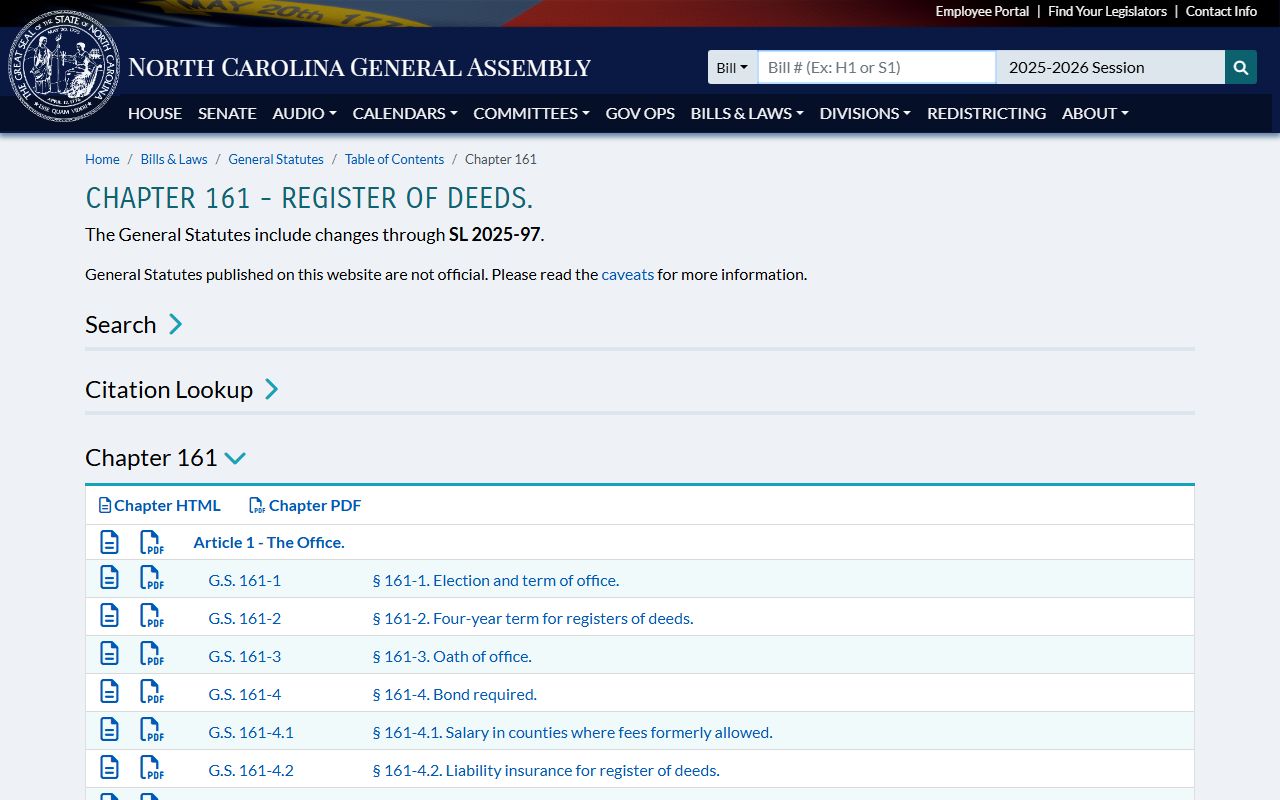
Understanding these statutes helps property owners know their rights during reappraisal cycles.
Recording Property Documents in Burke
To record a deed or other document in Burke County, you must bring it to the Register of Deeds office. The document must meet state requirements for format, notarization, and content.
Every deed needs a legal description of the property. This can be a metes and bounds description or a reference to a recorded plat. The deed must name the grantor and grantee, state the consideration, and include the signatures of all grantors. A notary public must acknowledge the signatures. North Carolina also requires the excise tax to be paid at recording. The rate is $1 per $500 of the sale price. Exempt transfers, like those between spouses, must still be presented for recording but do not owe the tax. The Register of Deeds stamps the document with the book and page number once it is recorded.
- Proper notarization of all grantor signatures
- Full legal description of the property
- Excise tax payment at recording
- Prepared document that meets Chapter 47 standards
- Return address on the first page
Burke County Historical Land Records
Burke County was one of the original large counties in western North Carolina. It was formed in 1777 and once covered a vast area. Several modern counties were later carved from Burke, including Buncombe in 1791. This means early land grants in the region may appear in Burke County records even if the land is now in another county.
The North Carolina State Archives holds early Burke County records including court minutes, estate files, and land grant records. These can fill gaps when the county's own records have deteriorated or been lost over time. Researchers looking for colonial-era land grants should start at the archives. The Secretary of State website also provides access to historical business records that may affect land titles in Burke County.
Burke County property records from the 1800s are often handwritten in large bound volumes. The Register of Deeds office preserves these books. Some have been digitized, but many still require an in-person visit to review.
Note: When searching very old records, the spelling of names and places may differ from modern usage.
Electronic Recording in North Carolina
North Carolina adopted the Uniform Real Property Electronic Recording Act under N.C.G.S. Chapter 47B. This allows counties to accept documents filed electronically. Not all counties offer this yet. Check with the Burke County Register of Deeds to see if e-recording is available there.
Electronic recording speeds up the process for title companies and attorneys. A document can be submitted, reviewed, and recorded in minutes rather than days. The electronic version carries the same legal weight as a paper document. Fees remain the same whether you file in person or online.
Nearby Counties
These counties share borders with Burke County. Property near a county line may have records in more than one county depending on past boundary changes.