
Wilson County Property Records
Wilson County property records are maintained at the Register of Deeds office in Wilson, North Carolina. The county sits in the eastern coastal plain and has deep roots in agriculture, particularly tobacco farming. Property records include deeds, deeds of trust, plat maps, liens, and other instruments that affect real property. The Register of Deeds indexes all recorded documents and makes them available for public review. Wilson County offers a blend of rural land and small-town development that shapes the kinds of transactions found in the record books.
Wilson County Quick Facts
Wilson County Register of Deeds
The Register of Deeds in Wilson County records all land documents filed within the county. This office is located in the city of Wilson at the county courthouse. Staff members record deeds, deeds of trust, liens, plat maps, and other instruments related to real property. The office also handles vital records including birth and death certificates and marriage licenses.
Wilson County was formed in 1855 from parts of Edgecombe, Johnston, Nash, and Wayne Counties. The county was named for Louis D. Wilson, a state legislator who died during the Mexican-American War. Property records go back to the county's formation, though earlier records for the same land exist in the parent counties. The Register of Deeds indexes each document by grantor, grantee, and recording date. You can search these indexes at the courthouse during regular business hours or contact the office by phone to ask about a specific record.
The NC Association of Register of Deeds provides a directory of every county office in North Carolina, including Wilson County.
Agricultural Property Records
Wilson County has strong agricultural roots. Farmland makes up a significant portion of the county's acreage. Property records for agricultural tracts often include details not found in residential deed records.
Farm properties may carry tobacco allotments, crop leases, or agricultural use designations. Present-use value taxation under N.C.G.S. Chapter 105 allows qualifying farmland to be taxed at its agricultural value rather than its market value. When farm property changes hands or the use changes, deferred taxes may come due. Buyers of agricultural land in Wilson County should check both the deed records and the tax office to understand any obligations tied to the parcel. Conservation easements on farmland are also recorded at the Register of Deeds and bind future owners.
Wilson County Tax Property Records
The Wilson County Tax Office assesses all real property and collects taxes based on those assessments. Tax records are public. They show assessed value, tax rate, and payment history for each parcel.
North Carolina law requires counties to revalue real property at regular intervals. Wilson County follows this schedule. During a revaluation, the tax office reviews market data and adjusts assessed values. Property owners who disagree can file an appeal. Tax records in Wilson County go back many years and are useful for understanding how property values have shifted in this part of the coastal plain. They complement the deed records held at the Register of Deeds office.
Unpaid property taxes create a lien on the property. These liens appear in the public record.
Types of Deeds in Wilson County
Several deed types are found in Wilson County property records. Understanding the differences helps when reviewing recorded documents.
General warranty deeds provide the strongest buyer protection. The seller guarantees clear title through the entire chain of ownership. Special warranty deeds cover only the seller's period of ownership. Quitclaim deeds pass whatever interest the grantor holds without any warranty. These are common in family transfers, divorces, and estate matters. North Carolina uses deeds of trust instead of traditional mortgages. A trustee named in the document holds the power of sale if the borrower defaults. All instruments recorded in Wilson County must meet the standards of N.C.G.S. Chapter 47, including notarization and a return address on the first page.
- General warranty deeds for full title assurance
- Special warranty deeds for limited coverage
- Quitclaim deeds with no title guarantee
- Deeds of trust securing real estate loans
- Plat maps showing subdivision boundaries
Wilson County Title Search
A title search in Wilson County traces ownership from the current owner back through prior deeds. The searcher uses the grantor and grantee indexes at the Register of Deeds. They also check for liens, judgments, easements, and other encumbrances that could affect the title.
The Marketable Title Act provides that a 30-year chain of title is generally sufficient in North Carolina. Because Wilson County was formed from four parent counties, older properties may require searches in Edgecombe, Johnston, Nash, or Wayne County records. Most real estate transactions in Wilson County require a title search and title insurance before the sale can close.
North Carolina Property Resources
State-level resources support property research in Wilson County and throughout North Carolina.
The North Carolina Secretary of State maintains records that can affect property ownership.
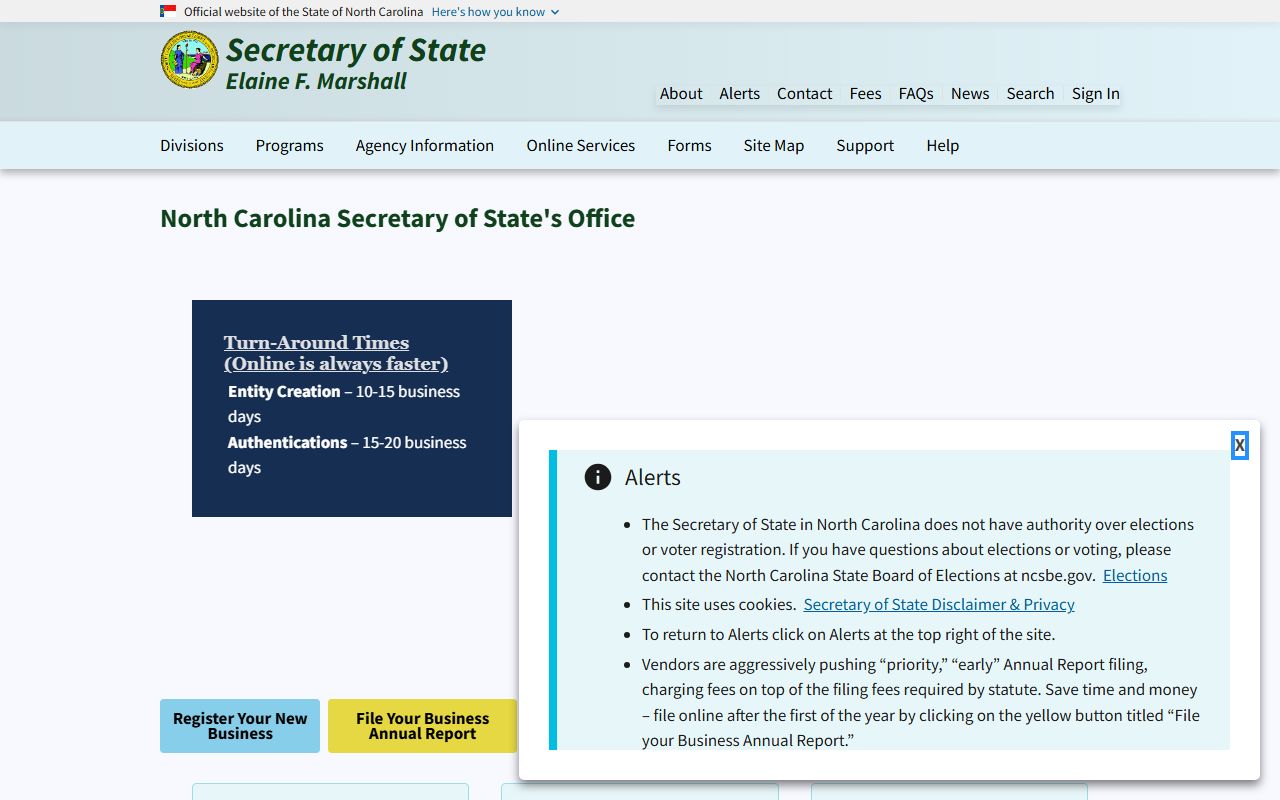
Visit the North Carolina Secretary of State to search UCC liens and business filings that may relate to real property in Wilson County.
The North Carolina State Archives holds early land grants and historical records that may predate Wilson County's formation in 1855. N.C.G.S. Chapter 161 governs the operation of Register of Deeds offices across the state. These resources work alongside Wilson County's own local records to give researchers a complete picture of land ownership in the area.
Nearby Counties
These counties border Wilson County. Check that your property falls within Wilson County before starting your search.