
Caswell County Property Records
Caswell County property records are held by the Register of Deeds in Yanceyville. This northern Piedmont county borders Virginia and has deep roots in North Carolina history. The Register of Deeds records deeds, plat maps, liens, and other instruments that affect ownership of real property. Whether you want to verify a title, check for liens, or trace the history of a parcel, these records are your starting point. You can search in person at the county office or use state resources to find information about property in Caswell County.
Caswell County Quick Facts
Caswell County Register of Deeds
The Register of Deeds in Caswell County records all land documents for the county. The office is in Yanceyville. Staff maintain indexes and provide copies of recorded documents to the public.
Caswell County was formed in 1777 from Orange County. Land records in the county date from that year forward. The office records deeds, deeds of trust, plat maps, powers of attorney, liens, and other instruments. Each document gets a book and page number at the time of recording. You can search by name, date, or document type. The NC Association of Registers of Deeds provides the current contact information for the Caswell County office, including phone numbers and hours.
Because Caswell County is a smaller county, the Register of Deeds may have more limited hours than offices in urban areas. A phone call before your visit can save you a trip. The staff are helpful and can often begin a search over the phone if you have basic information about the property you are looking for.
The state association directory lists every Register of Deeds in North Carolina.
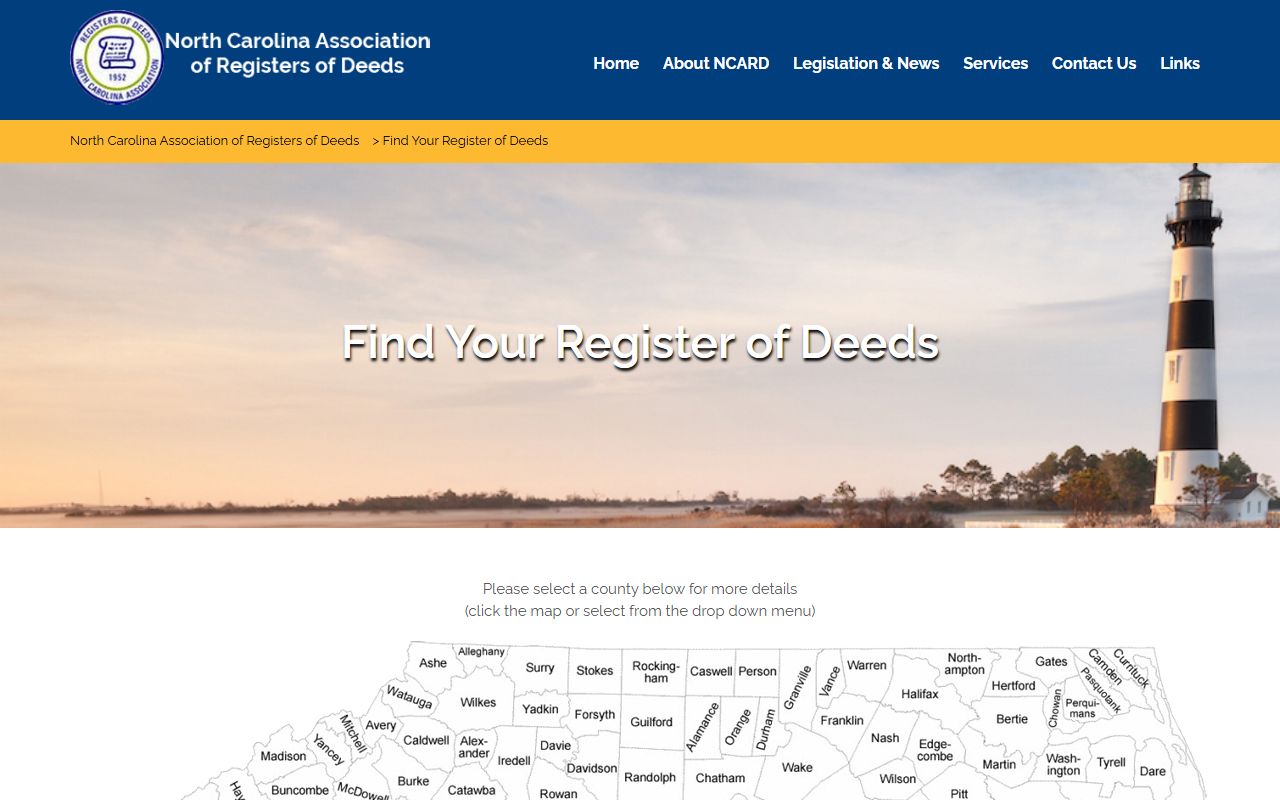
This directory is a good first stop before visiting any county office in the state.
Recording Deeds in Caswell County
To record a deed in Caswell County, bring the document to the Register of Deeds office. It must comply with N.C.G.S. Chapter 47, which sets the rules for recorded instruments in North Carolina.
The deed must identify the grantor and grantee, describe the property, and include the grantor's notarized signature. The excise tax of $1 per $500 of the sale price applies unless the transfer is exempt. Common exemptions include gifts between family members and court-ordered transfers. Recording fees follow the schedule in N.C.G.S. Chapter 161. Certified copies cost $5 for the first page and $2 for each page after that. Once a document is recorded, it becomes part of the permanent public record in Caswell County.
Recording puts third parties on notice of the transfer. This is a key concept in North Carolina property law. An unrecorded deed is valid between the buyer and seller, but it does not protect the buyer against later claims from others. That is why recording promptly after a sale matters so much.
Note: Always verify your document meets all format requirements before visiting the office to avoid a wasted trip.
Caswell County Property Tax Records
The Tax Office in Caswell County assesses all real property and maintains records of values and payments. You can search tax records by owner name, property address, or parcel number.
Tax assessments in Caswell County follow the rules in N.C.G.S. Chapter 105. The county reappraises property at regular intervals to keep values close to fair market value. Each parcel has an assessed value that multiplied by the tax rate gives the annual tax bill. Caswell County's rural character means that many parcels are agricultural or forested land. These parcels may qualify for a present-use value assessment, which taxes the land at its farm or forest use value rather than its full market value. This program reduces the tax burden for qualifying landowners.
The state statutes explain all aspects of property tax law in North Carolina.
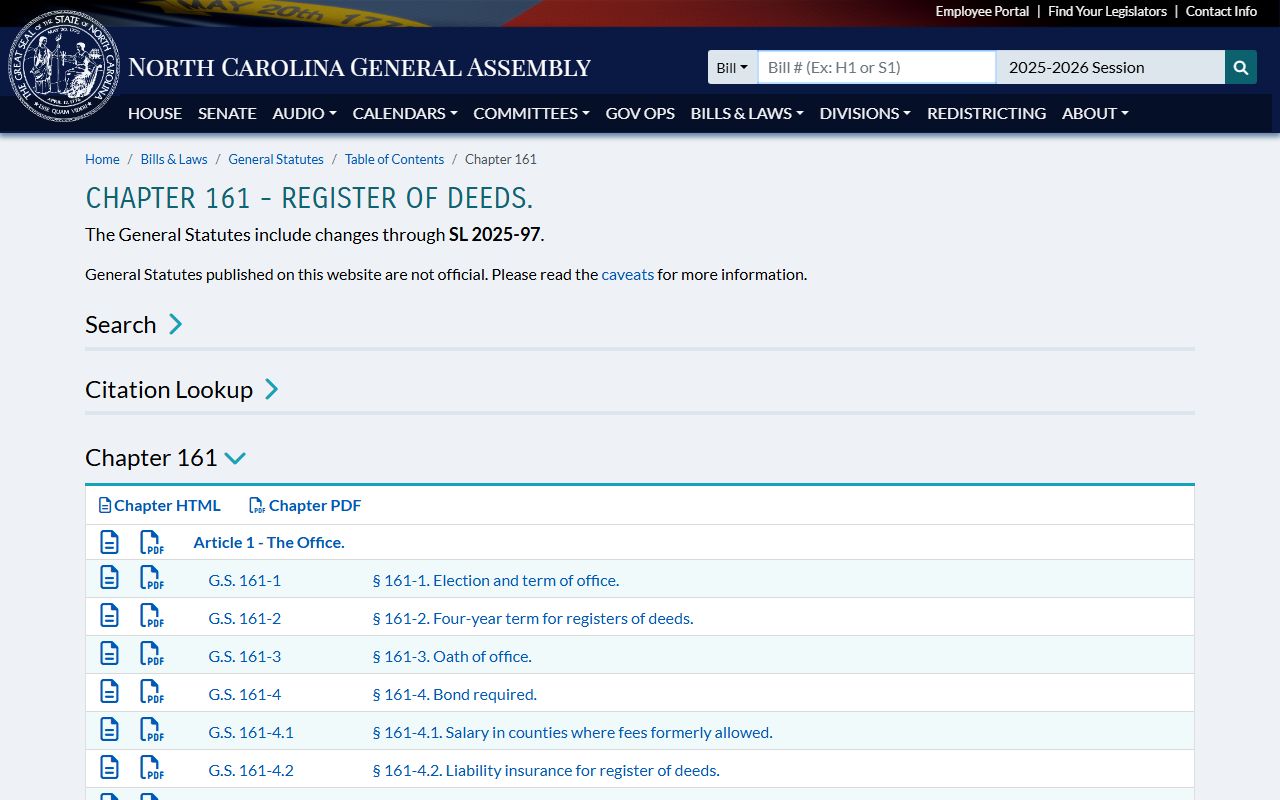
Understanding these laws helps property owners take advantage of programs like the present-use value classification.
Title Searches in Caswell County
A title search reviews the chain of ownership for a property in Caswell County. Title companies and attorneys perform these searches before most real estate closings.
The search covers at least 30 years of deed records. The examiner checks for breaks in the chain of ownership, outstanding liens, judgments, and unpaid taxes. Any issue found must be resolved before the sale can close. Common problems in rural counties like Caswell include old timber rights that were conveyed separately from the land, family transfers that were never recorded, and estate settlements that left unclear ownership. A clean title search gives the buyer confidence that they are getting good title.
- Review all deed transfers in the chain
- Check for outstanding mortgages or liens
- Verify tax payments are current
- Look for timber or mineral rights reservations
- Confirm estate settlements were properly recorded
Historical Records in Caswell County
Caswell County has nearly 250 years of land records. The county was home to some of North Carolina's earliest plantation estates. These properties changed hands through sales, inheritance, and court orders over the centuries.
The North Carolina State Archives preserves early Caswell County records including court minutes, wills, and land grants. These records can help fill gaps in the county collection, especially for the late 1700s and early 1800s. Researchers tracing land ownership back to the original state grants will often need both the county and state records. The Secretary of State provides access to business filings that may be linked to property in Caswell County.
North Carolina Recording Statutes
N.C.G.S. Chapter 47B authorizes electronic recording of real property documents in North Carolina. Not all counties offer this service yet. Chapter 43 covers the Torrens land registration system for parcels that have been registered under that process. These statutes apply statewide and set the framework for how property records work in Caswell County and every other county.
Nearby Counties
These counties border Caswell County. Properties along the Virginia border should be confirmed as being in North Carolina before searching county records.