
Carteret County Property Records
Carteret County property records are managed by the Register of Deeds in Beaufort. This coastal county includes barrier islands, waterfront communities, and mainland areas along the Crystal Coast. Property records here cover deeds, plat maps, liens, and other land documents filed with the county. Coastal property often involves unique title issues like riparian rights and shifting boundaries. Searching these records helps buyers and owners verify ownership, check for liens, and understand the full picture of any parcel in Carteret County.
Carteret County Quick Facts
Carteret County Register of Deeds
The Carteret County Register of Deeds records and stores all land documents for the county. The office is in Beaufort, the county seat. Staff record new documents, maintain public indexes, and provide copies to anyone who asks.
Carteret County was formed in 1722, making it one of the oldest counties in North Carolina. Land records from the early colonial period may be housed at the North Carolina State Archives rather than in the county office. More recent records are available at the Register of Deeds. You can search by grantor, grantee, document type, or date range. The office also handles vital records and may offer passport services. Call ahead to check office hours and what services are available on the day you plan to visit.
The Carteret County Register of Deeds website provides information about the office and its services.
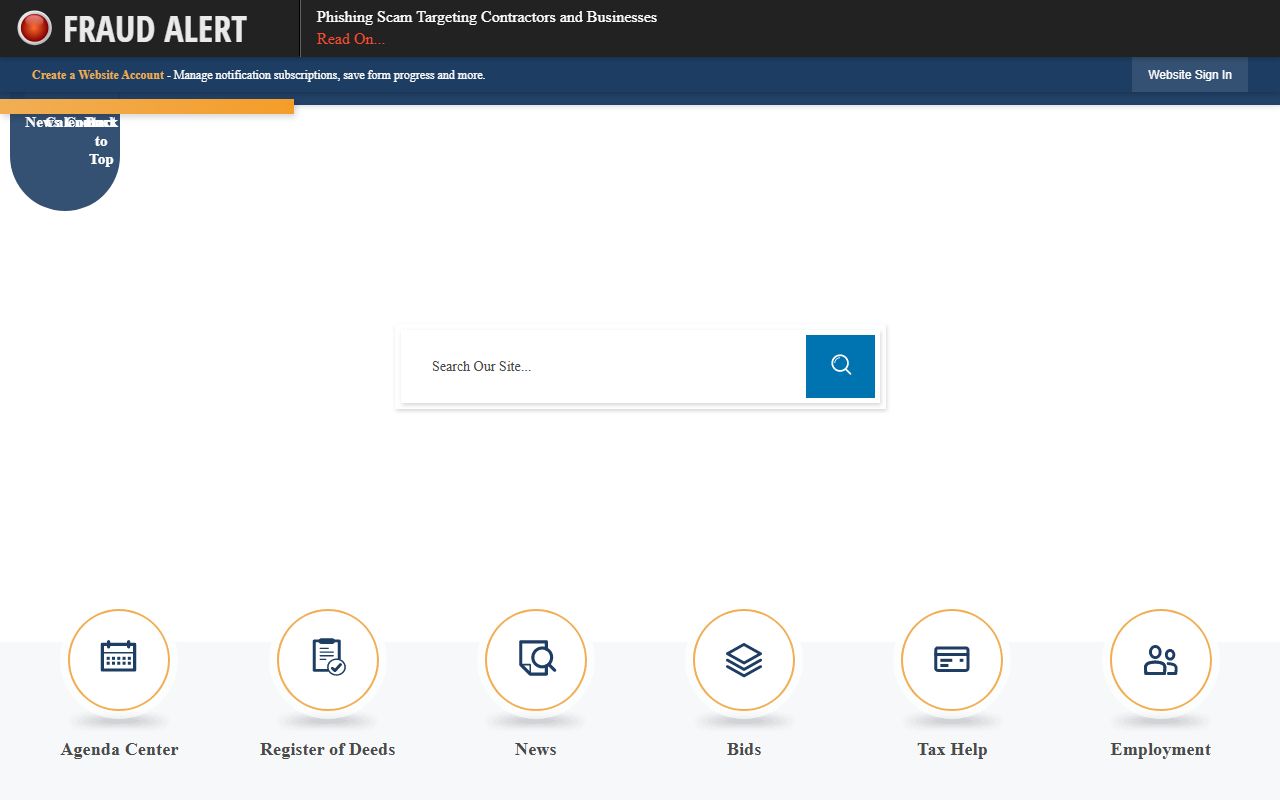
From this page you can find contact details, office hours, and links to online tools for searching records.
Coastal Property Records in Carteret
Carteret County sits on the coast. This creates some property record issues that inland counties do not face. Waterfront land can shift over time due to erosion and accretion. Storm damage can also change property lines.
Riparian rights attach to properties that border water. These rights can affect what the owner can do with the shoreline and the water itself. Deeds for waterfront property in Carteret County often include special language about riparian rights. Flood zones also matter here. Most coastal parcels fall within a FEMA flood zone, which affects insurance costs and building rules. Plat maps for coastal properties may show mean high water lines, setback requirements, and other features specific to waterfront land. All of these details appear in the property records at the Register of Deeds office.
Barrier island properties in places like Atlantic Beach, Emerald Isle, and Pine Knoll Shores have their own recording histories. Many of these communities were developed in the mid-1900s. The original subdivision plats and restrictive covenants are recorded with the Carteret County Register of Deeds and remain part of the property record for each lot.
Note: Coastal erosion can change property boundaries over time, so always compare the recorded plat to current conditions before buying waterfront land.
Carteret County Tax Records
The Carteret County Tax Office assesses all real property and maintains tax records. These records show assessed values, tax rates, and payment history.
Coastal property values in Carteret County can be higher than inland areas due to water access and views. The tax office appraises each parcel based on its features, location, and recent sales of similar properties. Reappraisals happen on the schedule set by N.C.G.S. Chapter 105. Owners who think their value is too high can file an appeal. Tax records are public and searchable by name, address, or parcel number. Delinquent taxes result in a lien against the property that must be paid before a clean transfer can happen.
Carteret County Deed Types
Property records in Carteret County include several types of deeds and instruments.
General warranty deeds give the buyer the strongest protection. The seller guarantees clear title going all the way back. Special warranty deeds cover only the seller's period of ownership. Quitclaim deeds pass whatever interest the grantor has with no warranty at all. Deeds of trust secure mortgage loans against the property. All of these must be recorded with the Register of Deeds to protect the buyer's interest. The recording requirements are set by N.C.G.S. Chapter 47.
- General warranty deeds with full title guarantee
- Special warranty deeds for limited protection
- Quitclaim deeds for no-warranty transfers
- Deeds of trust for mortgage security
- Easements for access or utility rights
Recording is what puts the public on notice that a transfer happened. North Carolina uses a race-notice system, which means the first buyer to record without knowledge of a prior claim wins. Prompt recording protects your interest in the property. The excise tax of $1 per $500 of the sale price applies to most transfers in Carteret County. Exempt transfers still need to be presented for recording but without the tax payment.
Title Searches in Carteret County
A title search in Carteret County checks the chain of ownership going back at least 30 years. Title companies and attorneys perform these searches before most closings.
The examiner reviews all deeds, liens, judgments, and tax records for the parcel. Coastal properties may have additional items to check, such as CAMA permits, dune easements, and riparian boundaries. Any issue that comes up must be cleared before the sale can close. Title insurance protects the buyer if a hidden defect surfaces later. Given the age of Carteret County records, which go back to the 1720s, some title chains involve very old documents that require careful reading.
North Carolina Property Statutes
State law sets the rules for property records in every county, including Carteret. The key statutes are spread across several chapters of the General Statutes.
Chapter 161 defines the duties of the Register of Deeds. Chapter 43 covers the Torrens land registration system. Chapter 47B allows for electronic recording of documents. The NC Association of Registers of Deeds and the Secretary of State are both useful resources for anyone working with property records in Carteret County.
The NC General Statutes website provides the full text of all property-related laws.
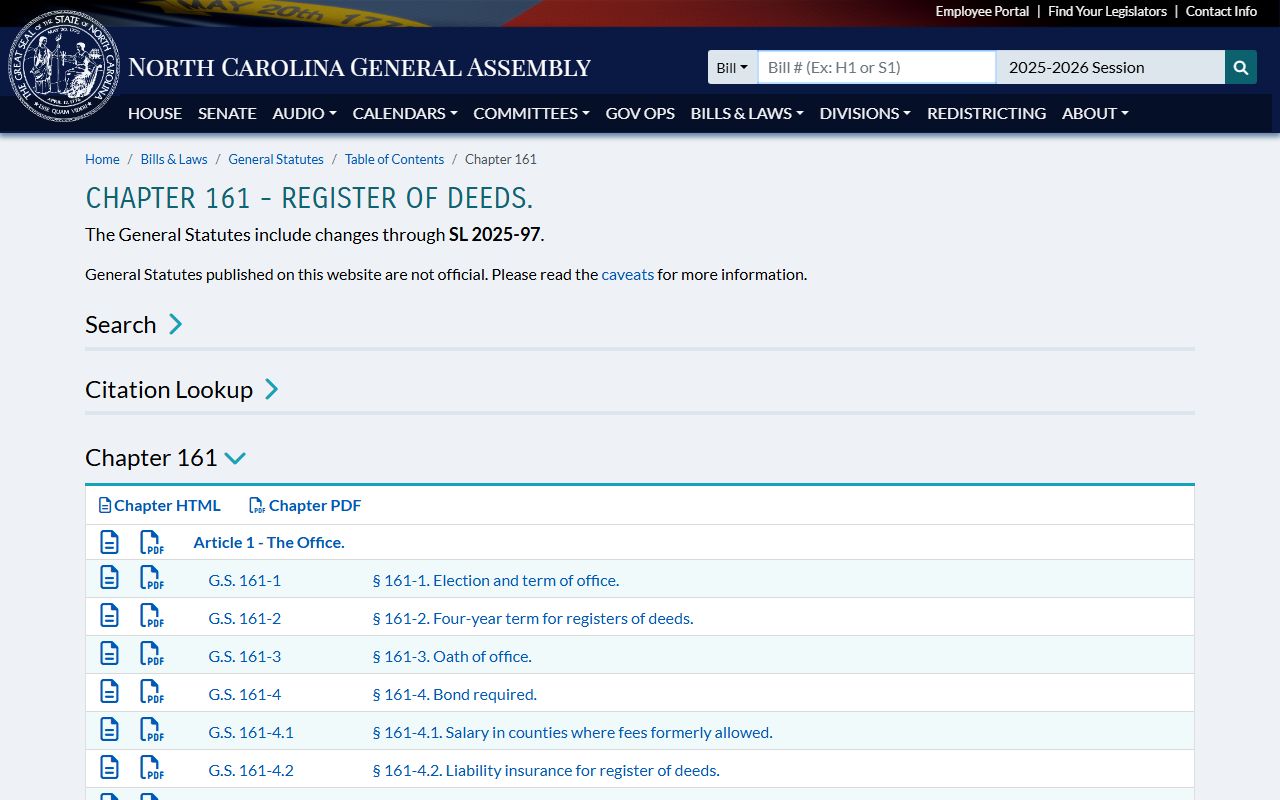
These statutes are updated by the legislature and apply to all 100 counties in the state.
Nearby Counties
These counties border Carteret County. Coastal counties in this region share similar property record features related to waterfront land and flood zones.