
Hyde County Land Property Records
Hyde County property records are held at the Register of Deeds office in Swan Quarter, North Carolina. This small coastal county was formed in 1705 and is one of the oldest in the state. Hyde County sits on the Pamlico Sound and includes parts of the Outer Banks, including Ocracoke Island. Property records cover deeds, deeds of trust, plat maps, liens, and other land documents. The county's coastal location means many parcels involve waterfront access, flood zones, and wetland considerations. Residents and researchers can visit the office in person to search records and request copies of filed documents.
Hyde County Quick Facts
Hyde County Register of Deeds
The Hyde County Register of Deeds records and stores all land documents filed in the county. This office handles deeds, deeds of trust, liens, plat maps, and other instruments. Vital records, including birth and death certificates and marriage licenses, are also managed here. The office is in the Hyde County courthouse in Swan Quarter.
Hyde County is one of the least populated counties in North Carolina. The small population means fewer recorded documents compared to urban counties, but the records are no less important. Some date back more than 300 years. Early land grants and colonial-era deeds are part of the county's history. Staff at the office can help you search by owner name, book and page number, or instrument number. Because Hyde County is small, staff often have a personal familiarity with local properties and can point you in the right direction quickly.
The NC Association of Register of Deeds lists contact information for the Hyde County office.
Searching Hyde County Property Records
Property searches in Hyde County start at the Register of Deeds office. The grantor and grantee indexes are the main tools. The grantor index lists sellers. The grantee index lists buyers. By cross-referencing these indexes, you can trace the full ownership history of any parcel in the county.
State-level resources add another layer of access. The N.C.G.S. Chapter 161 governs Register of Deeds offices across North Carolina. It sets out duties, fees, and standards that apply to Hyde County and every other county in the state.
Below is a state resource that helps with property records research in North Carolina.
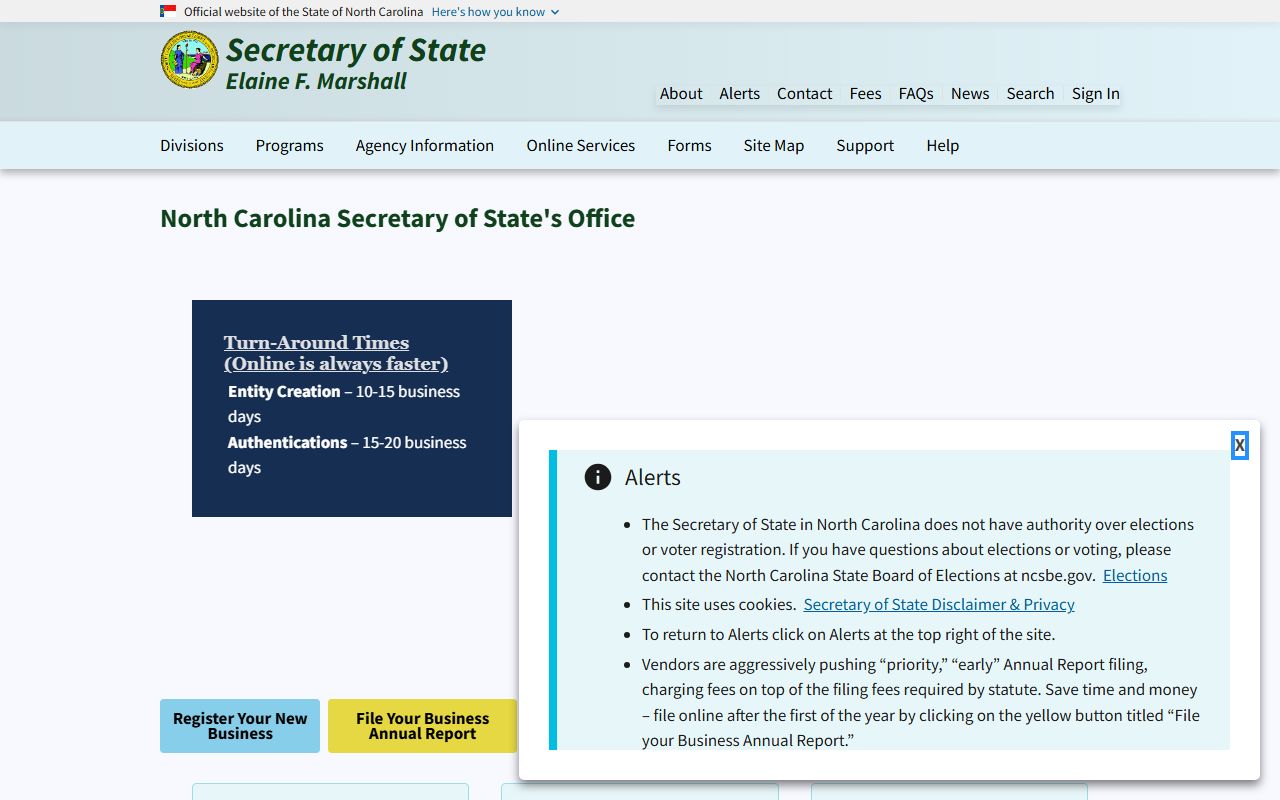
The Secretary of State website is useful for checking business filings and UCC liens that may affect property titles in Hyde County.
Coastal properties in Hyde County may have unique features. Parcels on or near the water can include riparian rights, dock permits, and easements for beach access. Ocracoke Island properties have their own history and may involve federal land boundaries near the Cape Hatteras National Seashore.
Types of Hyde County Land Records
Hyde County property records contain many document types. Warranty deeds are the most common and provide the buyer with full title protection. Special warranty deeds limit that protection to the seller's time of ownership. Quitclaim deeds pass along whatever interest the grantor holds. These are often used in estate settlements or family transfers.
Deeds of trust secure home loans in North Carolina. They involve three parties: borrower, lender, and trustee. When the loan is paid, the lender files a cancellation at the Hyde County Register of Deeds. Tax liens, judgment liens, and mechanic's liens also get recorded. Each type follows its own rules under state law. In Hyde County, tax liens from unpaid property taxes take priority over most other claims.
Plat maps show lot boundaries and subdivision layouts. Coastal parcels in Hyde County may also have survey documents that address flood zones, wetland boundaries, and mean high water lines. These are important for building permits and insurance.
Recording Documents in Hyde County
Recording a deed or other instrument in Hyde County requires meeting state standards. N.C.G.S. Chapter 47 sets the rules. Documents must be signed and notarized. The grantor's name must match the prior recorded deed. A return address goes on the first page.
The excise tax on real estate transfers is one dollar per five hundred dollars of sale price, as set by N.C.G.S. Chapter 105. Recording fees cover indexing and preservation. Both are collected at the time of recording. Electronic recording is available under N.C.G.S. Chapter 47B.
Getting to Swan Quarter can take extra time. The town is reached by state highway, and ferry service connects the mainland to Ocracoke Island. Plan ahead if you need to visit the Register of Deeds in person, especially during storm season when travel can be delayed.
Hyde County Title Research
Title research in Hyde County traces the chain of ownership for a parcel from the current owner back through each prior transfer. Most searches cover at least 30 years, consistent with North Carolina's Marketable Title Act. Some coastal parcels may require deeper research due to older land grants and changing shorelines.
Coastal erosion and storm damage can complicate title research in Hyde County. Boundary lines that once matched a shoreline may have shifted over time. Survey updates and FEMA flood zone maps are important tools for current property research in the county. The deed records at the Register of Deeds show the legal description as of the date of recording, but physical conditions may have changed.
The North Carolina State Archives holds early Hyde County records, including colonial-era land grants. The NC Secretary of State website is useful for checking business filings that may affect property titles.
Hyde County Tax Records
The Hyde County tax office maintains assessed values and tax records for all real property. Tax records show current assessments, tax rates, and amounts owed. The county reappraises property on a regular cycle as required by state law.
Waterfront properties in Hyde County often have higher assessed values than inland tracts. The tax records reflect these differences. Farmland, which makes up a large portion of the county, may qualify for present-use value assessments that reduce the tax burden. Unpaid taxes create a lien on the property that takes priority over most other claims. The tax office in Swan Quarter can provide current balances and payment information.